
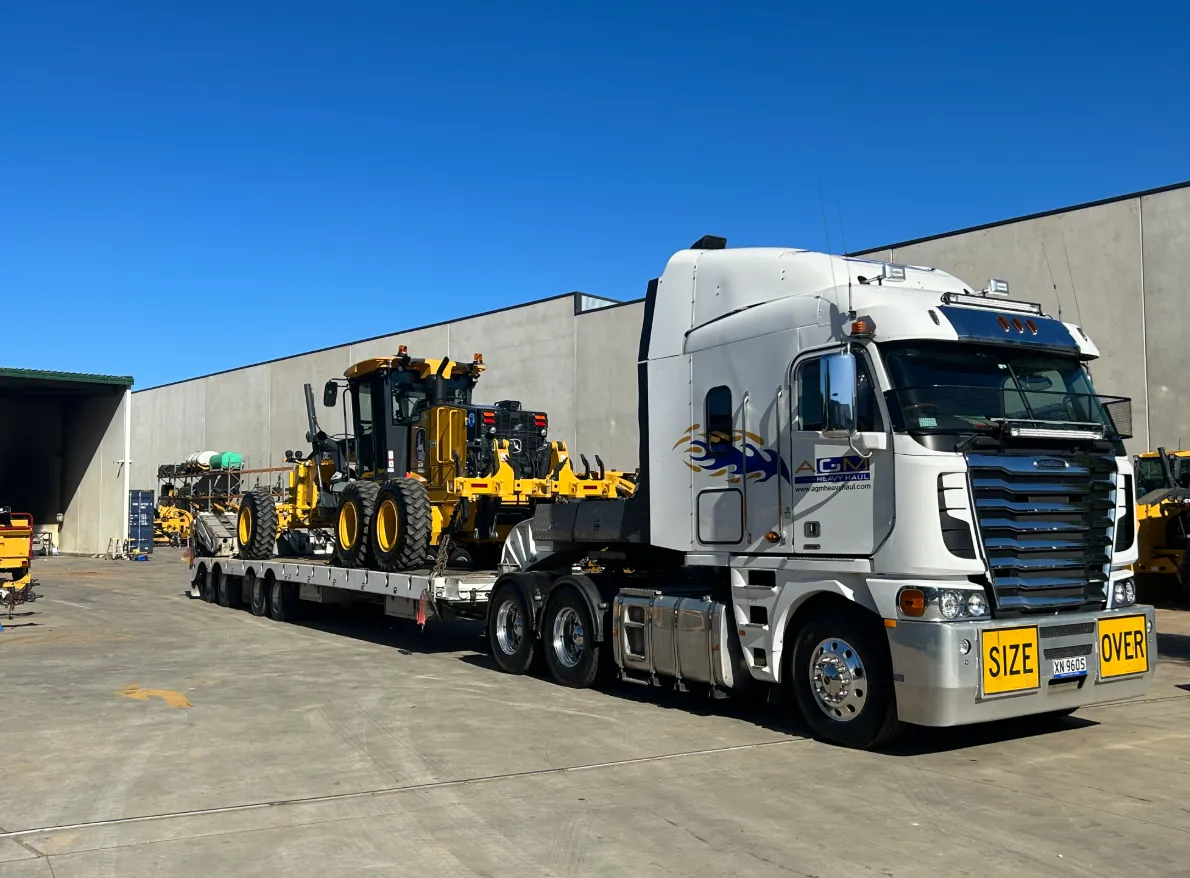
Understanding the Role of Heavy-Duty Trucks in Australia’s Transport Industry
Australia moves goods across some of the most unforgiving terrain on earth. Desert highways, flood-prone dirt roads, coastal freight corridors, and remote mining routes all demand the same thing from transport operators: trucks that don’t stop. The country’s freight task is staggering. According to the National Freight and Supply Chain Strategy, Australia moves approximately 725 billion tonne-kilometres of freight annually, and that figure is projected to grow by 26% by 2040. The truck in Australia sector is not a support industry. It is the backbone of how the country functions, from supermarket shelves to mining operations to construction sites.
How Critical Are Trucks to Australia’s Supply Chain?
Road freight accounts for over 50% of all freight movement by value in Australia. Rail handles bulk commodities over long distances, but trucks cover the first and last mile. They deliver to warehouses, construction sites, farms, and retail stores that no rail line can reach. Without trucks, supply chains don’t slow down. They collapse.
The Australian Trucking Association estimates there are over 530,000 trucks operating on Australian roads. These range from rigid delivery trucks in urban centres to B-double and road train configurations that haul hundreds of tonnes across the Nullarbor and through the Northern Territory. The scale of this fleet reflects the scale of the country’s freight dependency.
What Makes Australian Road Conditions Uniquely Demanding for Trucks?
Australia tests trucks differently than Europe or North America. The combination of extreme heat, long distances between fuel stops, corrugated unsealed roads in remote areas, and the sheer weight of loads on road trains creates wear patterns and mechanical demands that are extreme by global standards.
Turbo and engine cooling systems work harder at sustained high ambient temperatures. Suspension components face fatigue from thousands of kilometres of unsealed road. Cabin comfort becomes an occupational health factor on multi-day drives. Truck manufacturers that succeed in the Australian market have spent significant time understanding these specific demands. Generic global specifications often fall short.
What Role Do Trucks Play in Australia’s Mining and Resources Sector?
Mining is where Australian trucking reaches its most demanding expression. The Pilbara region in Western Australia alone hosts some of the world’s largest mining operations, and trucks are the primary mover of materials, personnel, equipment, and processed output.
Mining operations require heavy haulage trucks with extreme payload capacities, robust drivetrains, and cooling systems engineered for sustained heavy-load operation in 45-degree heat. These aren’t standard configurations. They’re purpose-built specifications that operators negotiate directly with manufacturers. The uptime requirements are brutal. A truck that’s down for 48 hours in a mine environment can cost operators tens of thousands of dollars in lost productivity.
How Has Technology Changed Modern Truck Operations in Australia?
Fleet telematics has fundamentally changed how transport businesses operate. Real-time GPS tracking, driver behaviour monitoring, fuel consumption analytics, and predictive maintenance alerts are now standard across most commercial fleets. These systems reduce fuel costs, improve driver safety, and extend vehicle service intervals.
The heavy vehicle industry is also moving toward advanced driver assistance systems. Lane departure warnings, emergency braking, and fatigue monitoring systems are becoming regulatory requirements rather than optional extras. The National Heavy Vehicle Regulator has signalled ongoing expansion of safety technology mandates. Operators who are ahead of these requirements face lower accident rates and insurance premiums.
Are Australian Trucking Businesses Facing a Driver Shortage?
Yes. It’s one of the most pressing operational challenges in the industry right now. The Transport Workers’ Union estimates a shortage of over 26,000 heavy vehicle drivers in Australia, a number that is expected to worsen as older drivers retire over the next decade. This shortage is driving wages up and creating recruitment pressure across every freight sector.
The response from larger operators has been to invest in driver training pipelines, improve working conditions, and lobby for immigration pathways that fast-track skilled overseas drivers. Automation is a longer-term play. Autonomous truck trials have taken place in Western Australia’s mining sector, but widespread adoption on public roads remains years away.
What Should Operators Consider When Expanding or Renewing a Truck Fleet?
Total cost of ownership beats purchase price every time. A cheaper truck with higher maintenance costs, worse fuel economy, and shorter service intervals will cost more over a five-year operating cycle than a premium specification vehicle with manufacturer support and predictable running costs.
Service network matters enormously in a country this large. A truck manufacturer without dealer presence in regional Australia creates real risk for operators who run routes through remote corridors. Parts availability, mobile service capability, and response times to breakdowns are due diligence factors that purchase price cannot override. Smart operators ask about the service footprint before they ask about the sticker price.