
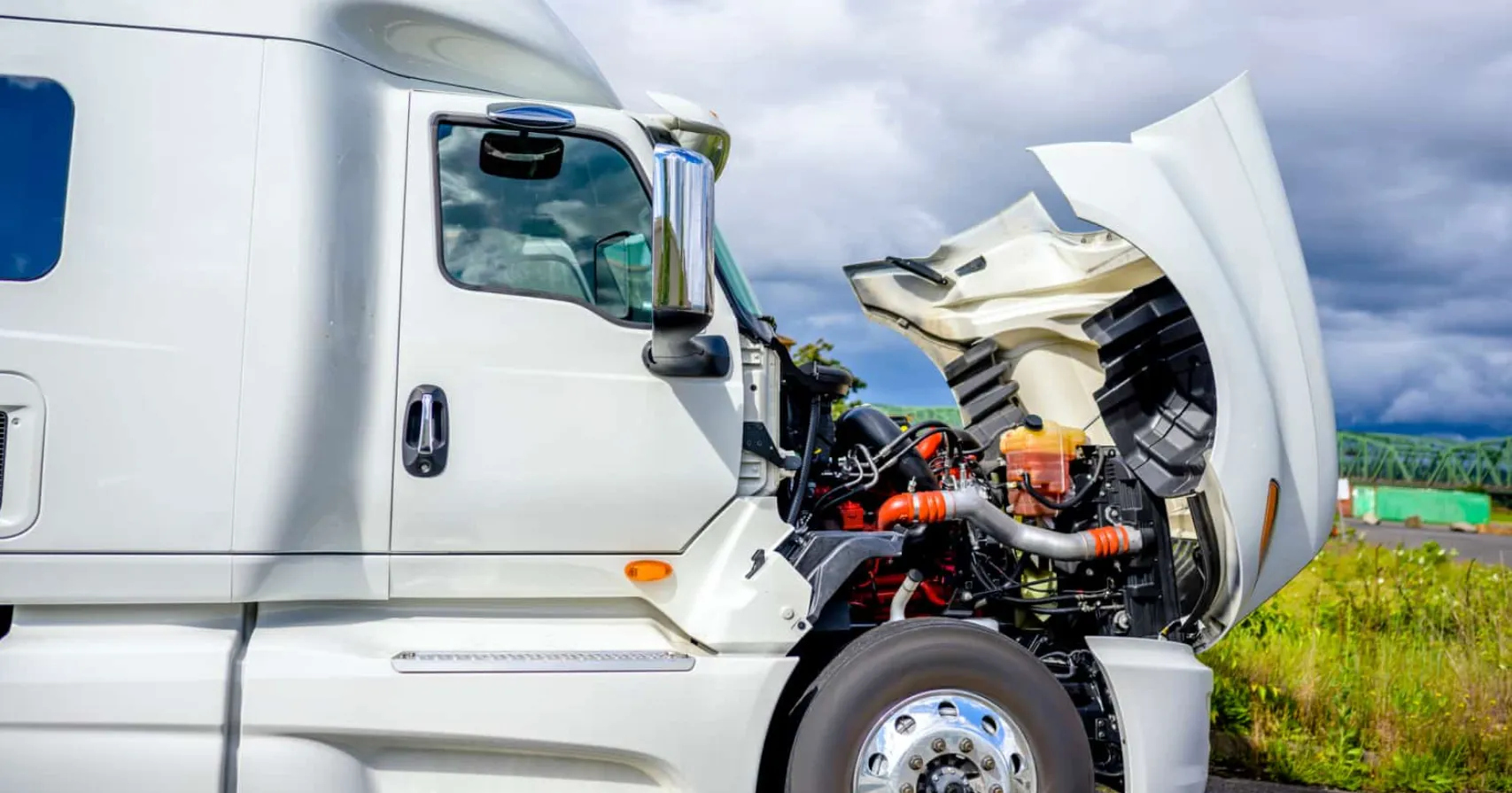
Performance Benefits of Modern Cummins Engines in Long-Haul Transport
Engine choice is the most consequential specification decision a long-haul operator makes. Everything else in the truck, the transmission, the suspension, the cabin, is secondary to whether the engine delivers power reliably, burns fuel efficiently, and holds together under sustained heavy-load operation across thousands of kilometres. Cummins has been building diesel engines for commercial vehicles since 1919. Over a century of refinement is not a marketing claim. It’s an engineering reality reflected in performance data, fuel economy benchmarks, and field reliability records that span multiple continents. When operators across Australia decide to buy Cummins engines for long-haul configuration, they’re backing a legacy that continues to produce measurable advantages in the field.
What Makes Cummins Engines Suited for Long-Haul Australian Conditions?
Australian long-haul transport is a torture test for diesel powerplants. B-double and road train configurations run at Gross Combination Masses of up to 130 tonnes on some approved routes. Ambient temperatures regularly exceed 40 degrees Celsius across the Nullarbor, the Pilbara, and outback Queensland. These conditions expose weaknesses in engine design that more moderate climates conceal.
Cummins X-Series engines are designed with high ambient operating conditions as a baseline specification, not an edge case. The X15 in particular, with its 15-litre displacement and peak outputs reaching 605 horsepower, delivers sustained torque at low RPM that heavy-load operators need for fuel efficiency on flat outback highways and pulling power on the ranges. The engine’s thermal management system maintains operating temperatures under sustained load in extreme heat without the derating behaviour that hobbles lesser engines when the mercury climbs.
How Do Cummins Fuel Efficiency Ratings Compare to Competitors?
Fuel is the single largest operating cost in long-haul transport, typically accounting for 30 to 35% of total running costs. Efficiency differences between engine options compound dramatically over distance. Independent fleet testing published by the American Trucking Associations Technology and Maintenance Council found that modern Cummins X-Series engines achieved fuel economy results averaging 5 to 8% better than comparable displacement competitors under mixed highway and loaded-hill operating conditions.
Over 300,000 kilometres a year, a common annual mileage for Australian long-haul prime movers, that efficiency gap translates to thousands of litres saved per truck. Across a fleet of ten trucks, the compounded fuel saving over a five-year asset life represents a material financial return that dwarfs the specification price premium of the engine option itself.
What Reliability Data Supports Cummins Engine Selection?
Cummins publishes B50 and B10 engine life benchmarks that are among the most independently validated in the commercial vehicle industry. The B50 life figure represents the kilometre point at which 50% of engines of that model will have required a major overhaul. For the X15, this figure exceeds 1.6 million kilometres under standard operating conditions.
Transport operators running high-annual-kilometre routes make capital decisions based on these numbers. An engine that reaches overhaul life at 900,000 kilometres versus 1.6 million kilometres represents a significantly different total cost of ownership picture. The overhaul cost, the downtime during overhaul, and the timing of that event relative to the financing cycle all affect fleet economics. Cummins’ reliability benchmarks are not aspirational. They’re verifiable against fleet maintenance records across the industry.
How Does the Cummins Aftertreatment System Perform in Australian Conditions?
Emissions compliance is non-negotiable in Australia under ADR 80/04 requirements for Euro 5 equivalent heavy vehicle standards. Cummins’ aftertreatment system using Selective Catalytic Reduction and Diesel Exhaust Fluid is designed for low maintenance burden while meeting these standards. DEF consumption rates in Australian fleets running Cummins X-Series have been reported at approximately 2% of diesel consumption, which is broadly consistent with manufacturer specifications.
The concern operators raise about aftertreatment in remote Australian conditions is DEF availability. Cummins has worked through distributor and transport networks to significantly expand DEF availability at regional fuel stops along major freight corridors. This was a real operational concern five years ago. It is substantially less of one today, though route planning in very remote corridors still requires attention.
Does Cummins Offer Engine Telematics Integration for Fleet Management?
Yes. The Cummins Connected Diagnostics platform provides real-time engine health data to fleet managers, including fault code alerts, predicted maintenance requirements, and performance trend data that supports proactive maintenance scheduling. This is particularly valuable for long-haul operators where a truck may be 2,000 kilometres from a base workshop.
When a fault code triggers on a remote highway, connected diagnostics can tell the fleet manager whether the fault requires immediate stop and inspection or can safely run to the next service point. That judgement call, without telematics, falls to a driver who may not have the technical background to make it correctly. With real-time engine data, operators make informed decisions rather than guesses. The safety and cost implications of that difference are significant.
What Does the Cummins Service Network Look Like Across Australia?
Cummins operates one of the most extensive commercial engine service networks in Australia, with authorised service centres in every major state and coverage into key regional freight hubs. This matters most when a truck is down somewhere inconvenient.
Mobile service capability is available through the Cummins Care program for operators experiencing roadside breakdowns. Parts availability at major centres is generally strong for X-Series components given the engine’s market share in the Australian prime mover segment. For operators evaluating engine options, the service network question is not secondary. Uptime is revenue. A manufacturer that can get a truck moving again in 12 hours instead of 48 hours is delivering a financial return that purchase price comparisons don’t capture.