
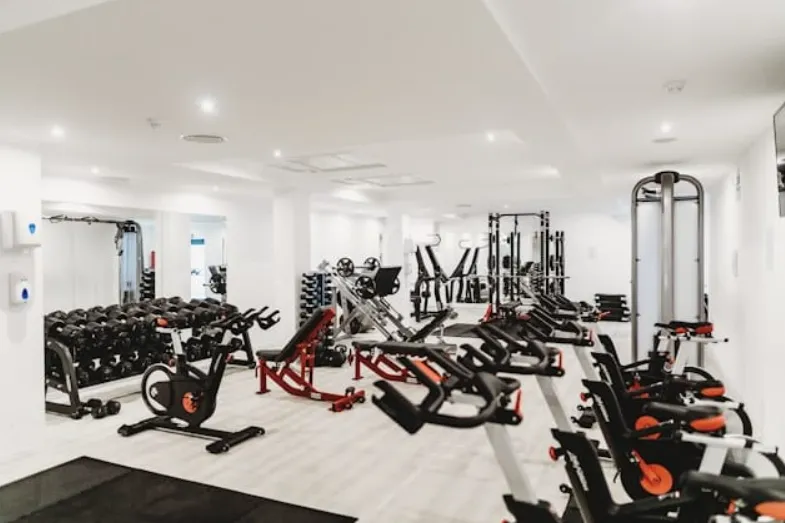
How Cardio Equipment Shapes Modern Gym Training Routines
Walk into any commercial gym today and the cardio floor tells you something important. It’s bigger than it used to be. More varied. More technically sophisticated. The machines aren’t just treadmills and bikes anymore. They’re performance tools that track heart rate zones, calculate caloric expenditure, and sync with fitness apps in real time. Research from IBISWorld shows the gym industry in Australia alone was worth over $2.4 billion in 2023. A significant chunk of that investment sits on the cardio floor. Understanding how cardio equipment gym setups shape modern training tells you a lot about where fitness culture is heading.
Has the Role of Cardio Equipment Actually Changed in Gyms?
It has shifted completely. Cardio equipment used to be a warm-up tool or a cool-down afterthought. Now it’s a central training method for fat loss, athletic conditioning, and cardiovascular health. High-intensity interval training, or HIIT, changed the game. Studies from the American College of Sports Medicine confirm that HIIT performed on cardio machines burns up to 25 to 30% more calories than steady-state cardio over the same duration.
Gym members know this. They come in with programs built around specific machines. They book time on assault bikes. They seek out ski ergs and rowing machines. The casual jog on the treadmill hasn’t disappeared, but it shares the floor with tools that demand far more from the body.
Which Machines Are Dominating Modern Gym Floors?
Treadmills still lead in unit numbers, but the real growth is in low-impact alternatives. Ellipticals, stair climbers, and seated ski machines are filling more floor space because they accommodate a wider range of users. Gyms that serve older demographics or rehabilitation clients prioritize these.
On the performance end, assault bikes and rowing ergometers have become staples in functional fitness areas. These machines spike the heart rate fast and challenge both upper and lower body simultaneously. A single 20-minute session on an assault bike can burn 300 to 450 calories depending on intensity. That kind of efficiency resonates with time-poor gym members.
How Do Gyms Integrate Cardio Into Strength-Based Programs?
The line between cardio and strength training is blurring. Modern gym programming uses cardio machines as active recovery stations between sets, metabolic finishers at the end of sessions, and standalone conditioning blocks. This integration is a direct response to what trainers and sports scientists call concurrent training, combining aerobic and resistance work in one session.
Gym layouts are adapting. Open floor plans with cardio equipment distributed throughout the space, rather than isolated in one corner, support this style of training. Members move fluidly between a squat rack, a rowing machine, and a set of kettlebells without crossing half the building. That flow matters for both efficiency and motivation.
What Does Technology Add to the Cardio Training Experience?
Quite a lot, actually. Modern cardio machines come equipped with heart rate monitors, digital displays showing real-time power output, and connectivity to platforms like Apple Health and Garmin. This data feeds into a broader training picture that athletes and everyday gym members use to track progress over weeks and months.
The gamification angle is real too. Peloton popularized competitive leaderboards on cycling equipment. Other brands followed. A 2021 study published in the Journal of Sport and Health Science found that gamified exercise environments increased workout duration by an average of 22%. When the machine shows you how to beat your last session, you push harder.
Are Gyms Choosing Equipment Based on Space or Member Demand?
Both, but member demand is winning. A gym that stocks only what fits neatly in a square footage plan loses members to competitors who prioritize variety. Fitness facility consultants now recommend a minimum of five to seven distinct cardio machine types for gyms with more than 300 active members.
The data supports investing in breadth. Members who have access to a range of cardio options train more frequently and are less likely to cancel their memberships. Retention is the gym industry’s biggest challenge. Equipment choice directly affects it.
Should Gym Operators Rotate or Update Cardio Equipment Regularly?
Yes, and sooner than most operators think necessary. Equipment that looks dated or shows wear signals neglect. A 2020 survey by Fitness Australia found that 61% of gym members cited equipment quality as a top factor in their membership satisfaction. Machines with worn belts, stiff pedals, or broken screens push people toward competitors.
A solid refresh cycle is every five to seven years for high-use machines. Preventative maintenance schedules extend this. But operators who wait for machines to break before acting are already behind. The members notice before the service call gets booked.