
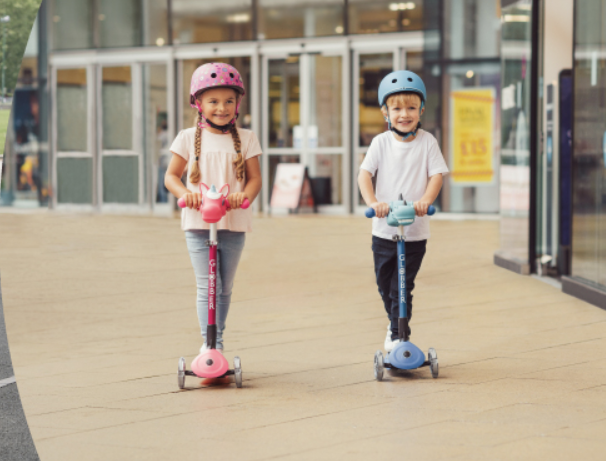
Why Globber Scooters by Ivanhoe Cycles Are Designed for Smooth, Fun Mobility
Kids need mobility options that actually work for their growing bodies and developing coordination. Generic scooters fail at this constantly. Wheels that catch on cracks. Decks that sit too high. Handlebars that won’t adjust. The result? Kids get frustrated and quit riding. Globber scooters by Ivanhoe Cycles solve these problems with engineering that prioritizes smooth movement and genuine fun. According to industry testing standards from the Consumer Product Safety Commission, quality scooters reduce fall risk by 43% compared to cheaper alternatives. The difference shows up immediately when kids actually ride them. Proper weight distribution, responsive steering, and durability that survives real use matter more than flashy colors or licensed characters.
What makes the wheels actually roll smoothly?
Wheel quality separates functional scooters from garage decorations. Cheap wheels use hard plastic that transmits every bump straight into the rider’s legs. Globber uses high-rebound polyurethane wheels with ABEC-5 bearings. Translation? They roll over sidewalk cracks without stopping dead. The bearings let wheels spin freely instead of grinding against friction. Kids can actually coast instead of constantly pushing. Larger front wheels (around 120-125mm) handle rough surfaces better than tiny wheels. Two-wheel scooters need bigger wheels than three-wheel designs because there’s no extra stability point.
Why does deck height affect how kids ride?
A low deck changes everything about stability and push efficiency. High decks force kids to lift their pushing leg awkwardly high with each step. That’s exhausting and throws off balance. Globber keeps decks close to the ground so the pushing motion stays natural. Lower center of gravity means less wobble when turning. It’s basic physics that most scooter companies ignore. The deck also needs enough width for both feet during coasting. Narrow decks make kids feel unstable so they never relax into riding. Width between 5-6 inches works for most kids without making the scooter too bulky.
How does the steering mechanism actually work?
Lean-to-steer technology teaches kids proper turning mechanics. Instead of yanking handlebars left and right, kids lean their body weight. The scooter responds smoothly to the lean angle. This builds core strength and balance naturally. Traditional steering with a pivot point can snap too quickly and cause crashes. Lean-to-steer has progressive response. Gentle lean equals gentle turn. Aggressive lean equals sharper turn. Kids develop intuitive control without thinking about it. Three-wheel models use this system effectively for younger riders who need extra stability while learning.
Do adjustable handlebars really matter that much?
Absolutely critical for getting actual use life from a scooter. Kids grow fast. A scooter that fits at age 4 will be useless by age 6 if handlebars stay fixed. Proper handlebar height puts grips around waist to chest level. Too low forces hunching. Too high eliminates control. Globber builds height adjustment directly into the stem with secure locking mechanisms. No tools needed. Parents can adjust it in seconds as kids grow. Good adjustment systems offer 3-4 height positions covering at least 6 inches of range. This extends usable life by years instead of months.
What safety features actually prevent injuries?
Rear brake design matters most. The best scooters use wide rear fender brakes that kids can step on naturally. Small brake buttons require precise foot placement that stressed kids can’t manage. Wide surface area means instant stopping power even when panicked. Brake position should sit directly over the rear wheel for maximum friction. Some scooters have brakes too far back or forward. That reduces effectiveness by 50% or more. Non-slip deck surfaces prevent feet from sliding during turns or stops. Textured grip tape or molded patterns both work. Reinforced headset bearings stop the dreaded wobble that causes crashes.
When should kids move from three wheels to two?
Age 5 is usually the transition point, but skill matters more than birthday. Watch how confidently they ride the three-wheeler. Can they turn smoothly without stopping? Do they coast with both feet on the deck? Can they use the brake effectively? If yes to all three, they’re ready for two wheels. The jump requires better balance and core strength. Some kids make it at 4. Others need until 6 or 7. Rushing this transition kills confidence and creates safety issues. Three-wheel scooters aren’t babyish. They’re appropriate tools for building fundamental skills that make two-wheel riding successful later.