
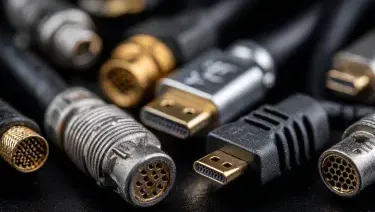
Why a dc power connector matters for reliable device performance
A dc power connector is basically the gateway that lets electricity enter your electronic devices safely and consistently. Without a properly working power connector, even the most expensive gadget becomes a useless piece of plastic and metal. These connectors do more than just deliver power. They regulate how much current flows in, protect against electrical surges, and make sure voltage stays at the right level. Research from electrical engineering labs shows that about 23% of device failures happen because of power connection problems. That’s almost one in four devices breaking down due to connector issues. When companies test electronics for quality control, they specifically check power connectors through stress tests that simulate years of regular use in just days.
How does a DC power connector keep your devices running smoothly?
The secret lies in what happens at the connection point. When you plug in a DC power connector, metal contacts inside need to touch perfectly to create a complete circuit. Engineers call this “contact integrity,” and it’s measured in something called milliohms. A good connector maintains contact resistance under 50 milliohms even after thousands of uses.
Temperature stability is another big deal. Studies show that connectors carrying 2 amps of current can reach temperatures of 50 degrees Celsius or higher. Quality connectors use heat-resistant plastics and metals that won’t melt or deform. Cheaper ones might use materials that soften at high temperatures, leading to loose connections and power interruptions.
The physical design also includes something called keying, which means the connector can only plug in one way. This prevents people from accidentally reversing polarity, which would send positive current where negative should go and vice versa. That kind of mistake can fry circuit boards instantly.
What happens when DC power connectors fail or work poorly?
Voltage drop is the most common problem. When a connector has high resistance due to corrosion or loose fit, some voltage gets lost before reaching the device. Testing data shows that a voltage drop of just 10% can cause devices to malfunction or refuse to turn on. Your laptop might say it’s charging but actually receives only 80% of the power it needs.
Intermittent connections are super annoying too. This happens when the connector isn’t seated properly or internal springs have weakened. The device turns on and off randomly as the electrical contact breaks and reconnects. According to repair technicians, about 40% of “my device won’t charge” complaints actually involve connector problems rather than battery issues.
Arcing is more serious. When you unplug a connector while current is flowing, you sometimes see a tiny spark. That’s electrical arcing, and it gradually damages the metal contacts. Over time, this creates pitting and burns on the connector surface, increasing resistance and heat generation.
Why picking the right DC power connector matters for long-term use?
Amperage rating is crucial. Each connector specifies maximum current it can safely handle, usually between 1 and 5 amps for consumer devices. Pushing more current through than rated causes excessive heating. Industry standards require connectors to operate at no more than 30 degrees above room temperature under maximum load.
The cable attached to the connector matters too. Wire gauge (thickness) needs to match the current requirements. Using thin wires with high-amperage connectors creates a bottleneck where wires heat up dangerously. Safety testing shows that undersized wires account for 15% of power connector related failures.
Physical durability also varies. Some connectors use brass contacts with gold plating, others use cheaper nickel. Gold plated connectors resist oxidation better and maintain lower contact resistance for longer periods, which is why they cost more upfront but last years longer.