
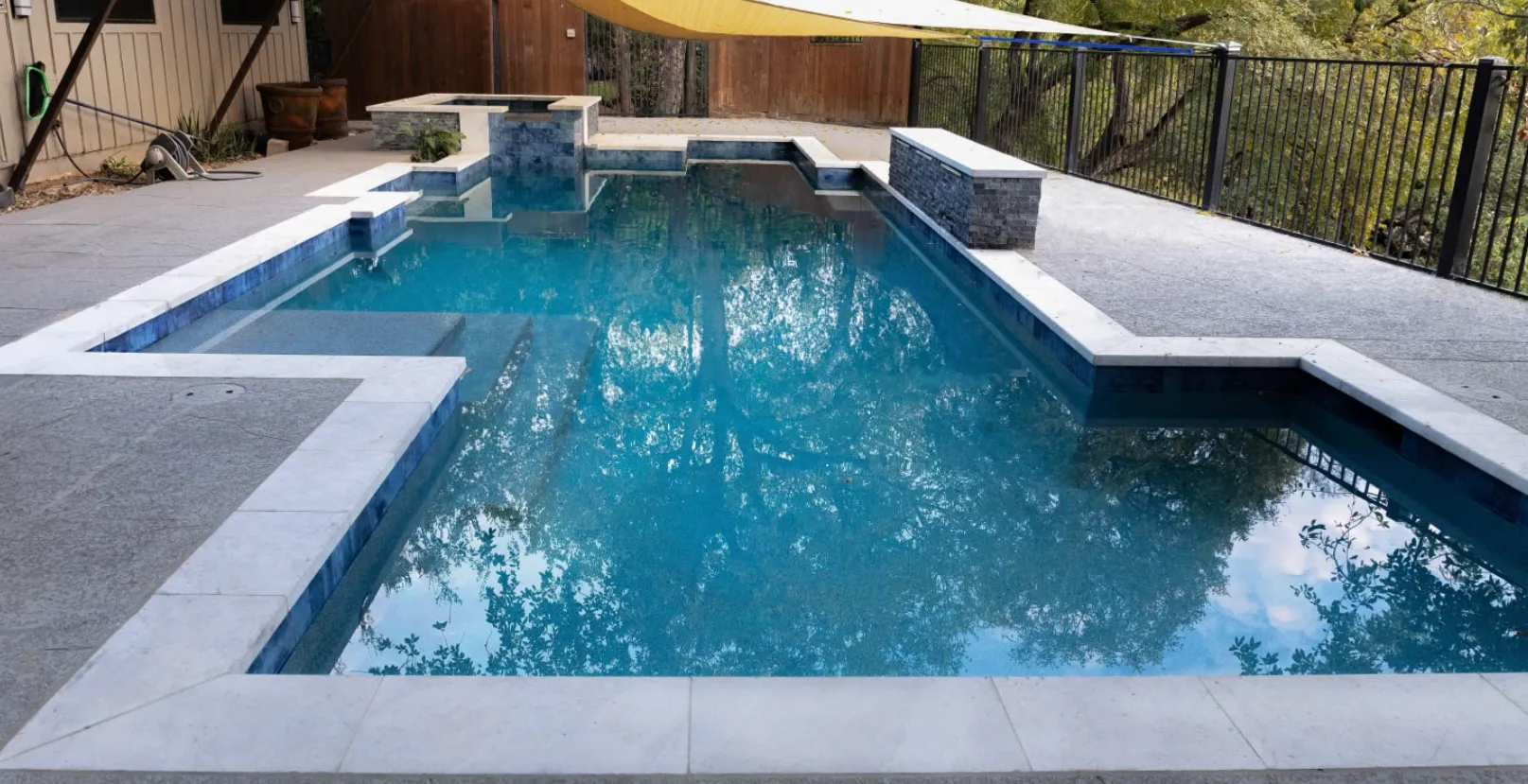
Pool Replastering or Resurfacing: Which One’s Best?
Your swimming pool is one of the highlights of your home — a place for relaxation, entertainment, and family bonding. But over time, even the most well-maintained pools begin to show signs of wear. Cracks, stains, rough surfaces, and fading color can make your pool look old and uninviting. When that happens, homeowners often face a key question: Should you go for pool replastering or resurfacing?
While the terms are sometimes used interchangeably, pool replastering and resurfacing are two different processes with distinct benefits and costs. Understanding the difference will help you choose the right solution for your pool’s condition, budget, and long-term value.
What Is Pool Replastering?
Pool replastering is the process of removing the old, worn-out plaster layer from your pool’s surface and applying a brand-new coat. This fresh layer not only restores your pool’s beauty but also protects its structure from leaks and damage.
Most pools are originally finished with white plaster — a blend of cement, sand, and water — because it’s cost-effective and provides a smooth, clean look. However, plaster typically lasts 7 to 10 years before it starts to wear down. Over time, you might notice issues like:
- Rough or pitted surfaces that feel uncomfortable underfoot
- Discoloration or permanent stains
- Cracks and peeling
- Calcium buildup
When these signs appear, it’s time to consider pool replastering to bring back that brand-new sparkle.
What Is Pool Resurfacing?
Pool resurfacing is a broader term that includes pool replastering but can also refer to applying other types of finishes — such as aggregate, quartz, or pebble surfaces — over your existing pool shell.
In other words, replastering is one form of resurfacing. However, when homeowners talk about resurfacing, they often mean upgrading their pool’s interior finish for better durability, aesthetics, and longevity.
Popular resurfacing materials include:
- Quartz finishes: More durable than standard plaster, lasting up to 15 years and offering a speckled, luxurious look.
- Pebble finishes: Known for their textured appearance and durability, with lifespans of 20 years or more.
- Glass bead finishes: Provide a reflective, high-end look that enhances the pool’s color and clarity.
Resurfacing, therefore, gives you more flexibility to enhance both function and design — ideal if you’re planning a long-term investment.
Comparing Pool Replastering vs. Resurfacing
To help you decide which option is right for your pool, here’s a side-by-side comparison:
| Feature | Pool Replastering | Pool Resurfacing (Upgrades) |
| Definition | Applies a new plaster layer | Applies a new surface with materials like quartz, pebble, or glass |
| Lifespan | 7–10 years | 15–25 years (depending on material) |
| Cost Range (as of 2025) | $5,000–$8,000 (average residential pool) | $8,000–$15,000+ depending on finish |
| Appearance | Classic white or light blue | Variety of colors, textures, and styles |
| Maintenance | Requires occasional acid washing | Easier to clean, more resistant to stains |
| Durability | Moderate | High — resists chemical wear and etching |
If your goal is to simply refresh your pool’s surface on a reasonable budget, pool replastering may be your best choice. But if you want a longer-lasting, more luxurious finish with better protection, resurfacing with modern materials can offer superior results.
Signs It’s Time for Pool Replastering or Resurfacing
Your pool communicates its need for attention through visible signs. Don’t ignore these, as small issues can quickly escalate into costly repairs. Here are the most common indicators that it’s time for action:
- Rough Texture: If your pool feels gritty or abrasive, the plaster surface has likely eroded.
- Persistent Stains: Algae, minerals, or chemical imbalances can cause discoloration that won’t scrub off.
- Leaks or Cracks: Even minor cracks can expand, causing water loss and structural issues.
- Fading or Dull Appearance: Overexposure to sunlight and chlorine breaks down plaster, leading to fading.
- Chalking: If your pool surface releases a powdery residue, it’s degrading and needs replacement.
If you’re noticing several of these symptoms, pool replastering can restore both aesthetics and integrity — often making your pool look brand-new again.
Benefits of Pool Replastering
Choosing pool replastering offers a range of benefits that extend beyond cosmetic improvement:
1. Enhanced Appearance
A new plaster layer instantly brightens your pool, giving it that clean, inviting blue hue once again.
2. Improved Comfort
Smooth surfaces make swimming and lounging more enjoyable, especially for children.
3. Structural Protection
Replastering seals small cracks and prevents water from seeping into the concrete shell — protecting the pool’s structure for years to come.
4. Increased Property Value
A freshly replastered or resurfaced pool can raise your home’s resale value. According to a 2024 report by Home Improvement Trends, updated pools can boost property appeal by up to 7%.
When to Choose Pool Replastering Over Resurfacing
You should choose pool replastering if:
- Your current pool finish is plaster and you want to restore it, not upgrade materials.
- You’re working within a moderate budget.
- You prefer the classic, smooth white finish that gives a timeless look.
- You plan to resurface again in about a decade and don’t need an ultra-long lifespan right now.
On the other hand, if you want a long-term, low-maintenance upgrade with customized colors and textures, resurfacing with advanced materials may be the smarter investment.
Final Thoughts
When it comes to revitalizing your swimming pool, both pool replastering and resurfacing offer excellent solutions — it all depends on your goals and budget.
If your pool’s surface has become rough, stained, or dull, pool replastering can give it a fresh start and restore its original beauty at a reasonable cost. But if you’re ready to invest in durability and a more premium aesthetic, resurfacing with modern materials like pebble or quartz can deliver lasting results that elevate your backyard experience.
Whichever you choose, taking timely action ensures your pool remains safe, beautiful, and enjoyable for years to come.