
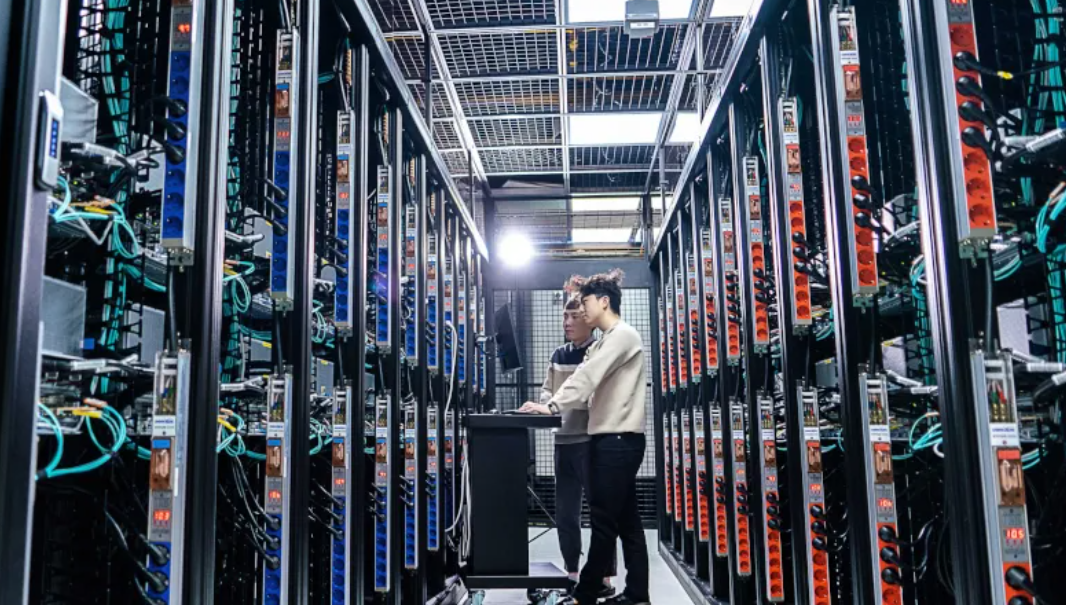
How Data Centre Companies in Australia Are Supporting Digital Growth
Behind every app you use, every video you stream, and every online purchase you make, there’s a data centre doing the heavy lifting. Data centre companies in Australia have become absolutely critical to keeping the digital economy running smoothly. These companies don’t just build and operate the facilities where servers live. They provide the infrastructure that makes cloud computing, online banking, social media, and thousands of other digital services possible. Australia’s data centre industry is worth over $3 billion and employs thousands of people in technical roles. The market keeps expanding as more businesses move their operations to the cloud and Australians consume more digital content than ever before. Industry experts predict the sector will need to triple its capacity by 2030 to keep up with demand. That’s a huge opportunity for companies that can deliver reliable, secure, and efficient data centre services.
What services do these companies actually provide?
Data centre companies offer different types of services depending on what customers need. Colocation services let businesses rent space for their own servers inside a professional facility. The company provides the building, power, cooling, and security, while the customer brings their own equipment. Managed hosting goes a step further, where the data centre company owns and maintains the servers, and customers just rent computing power. Cloud services represent the most flexible option, allowing businesses to scale their computing resources up or down instantly based on demand. Most companies also offer network connectivity, security monitoring, and technical support 24 hours a day.
Why do businesses choose Australian data centres over international ones?
Speed is a major factor. When your data sits in Australia, it loads faster for Australian users. Every extra millisecond of delay matters for things like video calls, online gaming, or financial trading. Data stored overseas might take 200 milliseconds to load, while local data loads in 20 milliseconds. That 10x difference affects user experience noticeably. Australian privacy laws also require certain types of data to stay within the country. Healthcare records, government information, and financial data often can’t legally leave Australia. Plus, having data stored locally means companies aren’t vulnerable to international internet cable breaks or foreign government data requests.
How do these companies ensure data stays secure?
Physical security at data centres rivals what you’d see at a bank vault. Multiple layers of fencing surround the buildings. Security guards patrol constantly, and cameras monitor every corner. Getting inside requires passing through several checkpoints with biometric scanners that read fingerprints or scan eyes. The server rooms themselves have additional locks that only authorized technicians can open. Digital security is equally serious. Firewalls monitor all network traffic looking for suspicious activity. Encryption scrambles data both when it’s stored and when it travels across networks. Regular security audits by independent experts test for vulnerabilities. Many Australian data centres hold international security certifications that prove they meet strict standards.
What happens if power or internet goes out?
Professional data centres build in massive amounts of backup systems. When the main power supply fails, battery banks instantly take over, providing electricity while backup generators start up. These generators, often running on diesel fuel, can keep facilities operating for days or even weeks if needed. For internet connectivity, data centres connect to multiple internet service providers through different physical paths. If one cable gets cut, traffic automatically reroutes through other connections. The best facilities guarantee 99.99% uptime, which translates to less than an hour of downtime per year. They achieve this through redundant everything: redundant cooling systems, redundant network equipment, and redundant power supplies.
How are data centre companies adapting to increased demand?
Companies are expanding in multiple ways. Some build larger facilities that can house tens of thousands of servers. Others create distributed networks of smaller data centres in different cities, spreading capacity across the country. Edge computing is a newer trend where tiny data centres get placed closer to where people actually use the services, reducing delay times. Investment in renewable energy has become a priority too, with many companies now running entirely on solar or wind power. Artificial intelligence helps optimize cooling and power usage, reducing operating costs. The industry is also working on liquid cooling technologies that handle heat more efficiently than traditional air conditioning systems.