
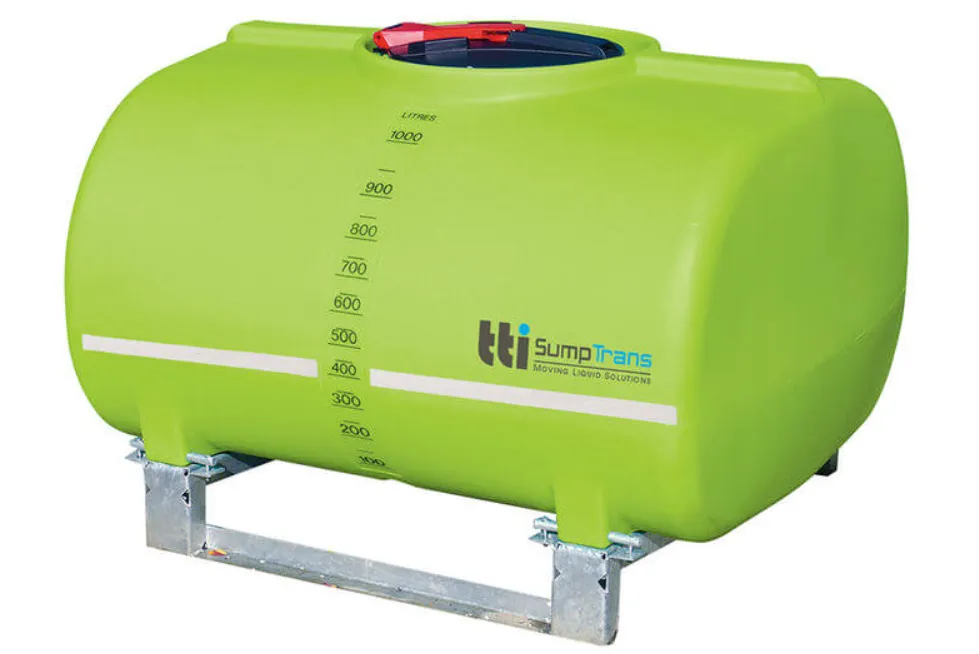
How Chemical Tanks from TTi Are Designed for Durability and Safety
Chemical storage kills ordinary tanks in months. Acids eat through metal. Alkalis crack cheap plastic. Temperature changes warp containers until they leak. Chemical tanks from TTi use specialized materials and engineering to handle corrosive substances safely for decades. TransTank International has manufactured chemical storage solutions since 1989. Their tanks hold everything from agricultural chemicals to industrial solvents without degrading. In 2024, chemical spills from failed storage tanks cost Australian businesses over $47 million in cleanup, fines, and lost product. Most of those failures happened because someone used the wrong tank for their chemical. TTi tanks prevent these disasters through proper material selection and Australian Standards compliance.
Why Do Regular Plastic Tanks Fail with Chemical Storage?
Not all plastics react the same way to chemicals. Linear polyethylene works fine for water but breaks down rapidly when storing strong acids or organic solvents. The chemical molecules attack the polymer chains, creating microscopic cracks that grow into leaks. TTi uses cross-linked polyethylene for chemical tanks. Cross-linking creates bonds between polymer chains that resist chemical attack. This material maintains its strength and flexibility even after years of exposure to harsh chemicals. The tanks also use special resins chosen for specific chemical groups. Storing ammonium-based fertilizers requires different plastic formulations than storing herbicides or pesticides.
What Chemicals Can You Safely Store in TTi Tanks?
TTi tanks handle most agricultural chemicals including liquid fertilizers, herbicides, pesticides, and fungicides. The tanks resist glyphosate, 2,4-D, atrazine, and other common agricultural chemicals. Industrial applications include storing sulfuric acid at concentrations up to 50%, hydrochloric acid, sodium hydroxide, and various solvents. Each chemical requires checking the compatibility chart. TTi provides detailed compatibility data showing which tank model works for your specific chemical. Some chemicals need special tank features. Strong oxidizers require vented tanks to release pressure from chemical reactions. Others need opaque tanks to prevent light-triggered degradation. Never assume a tank rated for one chemical will work for another. Different chemicals have wildly different corrosive properties.
How Does Tank Design Prevent Chemical Leaks and Spills?
TTi chemical tanks use one-piece rotational molding construction. This means no seams or joints where leaks typically start. The entire tank forms as a single piece of plastic. Seamed tanks eventually fail at the joints no matter how well they’re welded. Wall thickness varies by tank size. Smaller 500-liter tanks use 6mm walls. Larger 10,000-liter tanks have 12mm walls in critical areas. This extra thickness provides strength and chemical resistance. The tanks include built-in sumps at the bottom for complete drainage. Chemicals left sitting in tank bottoms concentrate and become more corrosive over time. Proper drainage prevents this problem. Baffles inside transport tanks prevent surge and sloshing that creates stress on the tank walls.
What Safety Features Should Chemical Storage Tanks Include?
Secondary containment is mandatory for most chemical storage. TTi’s bunded tanks provide a second layer that catches leaks before chemicals reach the environment. The bund holds 110% of the primary tank’s volume. Even a catastrophic failure won’t release chemicals into the soil. Venting systems prevent pressure buildup. Chemicals react to temperature changes by expanding and contracting. Sealed tanks without proper venting can bulge and crack. TTi tanks include pressure relief vents sized for the tank’s volume and typical temperature swings. Lockable fittings prevent unauthorized access and tampering. Farm chemical theft is a real problem. Locked fill caps and valves protect expensive chemicals and prevent access by children or untrained workers. Tank labeling must clearly identify the stored chemical. Spray applicators need to know exactly what’s in each tank to avoid dangerous mix-ups.
How Long Do Quality Chemical Tanks Last in Real-World Use?
TTi chemical tanks typically last 15 to 25 years in agricultural applications. Industrial use with more aggressive chemicals might shorten this to 10 to 15 years. Proper maintenance extends tank life significantly. Cleaning tanks between different chemicals prevents cross-contamination and chemical reactions that accelerate degradation. UV exposure affects tank lifespan in outdoor installations. Dark-colored tanks absorb more heat, which can speed chemical reactions with the tank material. White or light-colored tanks reflect heat and last longer in direct sun. Tank location matters too. Tanks sitting on hot concrete pads experience more thermal stress than tanks on gravel or dirt. Temperature cycling causes the plastic to expand and contract daily, creating fatigue over many years.
What Maintenance Keeps Chemical Tanks Safe and Functional?
Visual inspection should happen monthly at minimum. Look for cracks, especially around fittings and near the base where stress concentrates. Check for color changes in the plastic. Significant darkening or cloudiness can indicate chemical degradation. Feel the tank walls. Soft spots or brittleness signal problems. Clean tanks annually even if you store the same chemical year-round. Sediment and chemical residue build up on tank bottoms. This concentrated material attacks the tank material more aggressively than fresh chemical. A thorough flush with water removes most residue. Some chemicals require special cleaning agents. Check valve operation twice yearly. Valves that stick or leak waste expensive chemicals and create safety hazards. Replace worn valve seals before they fail completely. Test tank integrity every five years through professional inspection. Experienced inspectors know where chemical tanks typically fail first. They can spot problems before they become dangerous. This testing costs $200 to $500 depending on tank size but prevents much more expensive failures and chemical releases.