
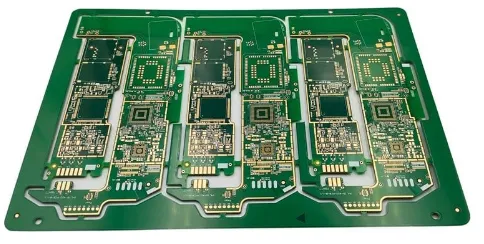
HDI PCB Manufacturer: Enabling High-Density Electronics with Precision Engineering
Why HDI PCBs Are Essential for Modern Electronics
The demand for smaller, faster, and more powerful electronic devices has transformed the PCB industry. Smartphones, medical instruments, automotive control systems, and communication equipment all require compact circuit boards capable of handling complex designs. Choosing a reliable HDI PCB manufacturer ensures these advanced products are built with the precision and consistency required for long-term performance.
HDI technology allows more connections within a smaller board area, giving engineers greater design flexibility while improving electrical efficiency.
What Makes HDI Technology Different?
Unlike conventional printed circuit boards, HDI PCBs use finer traces, microvias, and higher wiring density to maximize available space. This technology supports high-speed signal transmission while reducing the size and weight of electronic assemblies.
Manufacturers offering HDI solutions ranging from 1+N+1 to Any-Layer Interconnect can accommodate everything from prototype development to highly complex production projects. With optimized production processes, HDI boards can also be delivered in as little as 10 days for urgent manufacturing requirements.
Supporting High-Complexity PCB Designs
As electronic systems continue to evolve, many applications require multilayer circuit boards capable of handling advanced functionality. Modern manufacturing facilities can produce PCBs with up to 50 layers, providing the performance needed for aerospace systems, networking equipment, industrial automation, and medical electronics.
These capabilities allow engineers to design compact products without sacrificing signal integrity or reliability.
Precision Manufacturing That Improves Performance
Accurate fabrication is one of the most important aspects of HDI PCB production. Advanced manufacturing processes maintain impedance control within ±5%, helping ensure stable signal transmission in high-frequency and high-speed applications.
Production also supports a minimum line width and spacing of 2.5 mil, allowing dense routing while maintaining manufacturing consistency and electrical reliability.
Advanced Rigid-Flex Manufacturing Capabilities
In addition to HDI technology, manufacturers provide flexible PCB solutions for applications requiring greater mechanical flexibility and compact assembly. Available capabilities include:
- Rigid-flex PCBs with up to 20 layers
- Flexible PCBs with up to 10 layers
- Minimum aspect ratio of 30:1
- High-density multilayer constructions
- Custom stack-up configurations
These manufacturing options support industries where reliability, lightweight design, and durability are essential.
Surface Finish Options for Long-Term Reliability
Selecting the right surface finish improves both manufacturing quality and product lifespan. Professional PCB manufacturers offer premium finishing technologies, including:
- ENIG
- ENEPIG
- Hard Gold (50 µin)
Each finish is designed to enhance solderability, corrosion resistance, and electrical performance for demanding electronic applications.
Comprehensive Inspection and Quality Standards
Reliable PCB production requires strict inspection procedures throughout every stage of manufacturing. Facilities perform 100% X-ray inspection for BGA, QFN, and FPGA packages, ensuring hidden solder joints meet quality requirements before shipment.
Manufacturing lines also support assembly for ultra-miniature 01005-sized components, enabling compact and highly integrated electronic designs.
To maintain consistent production quality, manufacturing follows internationally recognized standards including ISO9001, ISO13485, and IPC Class 3 compliance.
Industries That Depend on HDI PCB Technology
HDI circuit boards are widely used across industries that demand high reliability and compact design, including:
- Medical equipment
- Aerospace and defense
- Automotive electronics
- Telecommunications
- Industrial automation
- Consumer electronics
These sectors rely on HDI technology to improve performance while reducing product size and increasing functionality.
Choosing the Right Manufacturing Partner
Selecting an experienced PCB manufacturer involves more than comparing production capacity. Engineering expertise, quality control, advanced equipment, and dependable delivery schedules all contribute to successful project outcomes.
A manufacturer capable of handling complex PCB structures while maintaining strict quality standards helps reduce production risks and supports long-term product success.
Conclusion
Working with a trusted HDI PCB manufacturer gives businesses access to advanced technology, precision fabrication, and reliable production processes needed for today’s sophisticated electronic products. From HDI structures and multilayer boards to rigorous inspection and internationally recognized certifications, modern manufacturing capabilities help transform innovative designs into dependable electronic solutions.
To learn more about advanced PCB technologies and manufacturing expertise, visit Fast Turn PCB.