
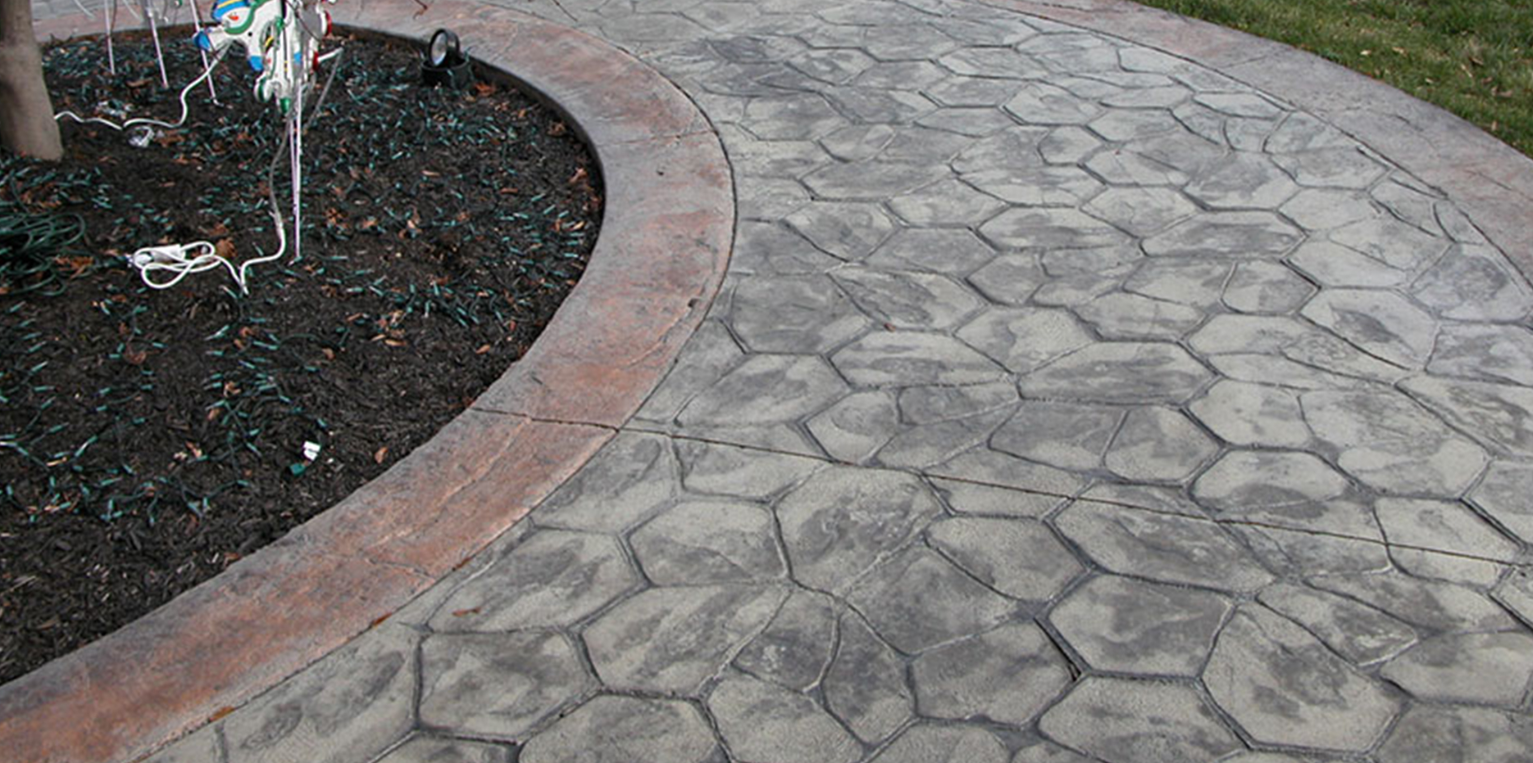
Does Stamped Concrete Fade Over Time? Causes and Prevention Tips
Stamped concrete is a popular choice for driveways, patios, pool decks, and walkways because it offers the look of stone, brick, or wood at a more affordable price. However, one common concern among homeowners is whether stamped concrete fades over time. The short answer is yes—it can fade—but the good news is that fading is preventable with the right materials, installation, and maintenance.
In this article, we’ll explain why stamped concrete fades, how long it typically lasts, and the best prevention tips to keep it looking vibrant for years to come.
What Is Stamped Concrete and Why Color Matters
Stamped concrete is a decorative concrete surface that is patterned, textured, and colored to mimic natural materials. The color is a major part of its visual appeal, often achieved through integral color, color hardeners, stains, or release agents.
In 2026, stamped concrete continues to grow in popularity due to its durability and design versatility. However, because it is exposed to outdoor elements, maintaining color integrity is essential to preserving its value and appearance.
Does Stamped Concrete Fade Over Time?
Yes, stamped concrete can fade over time, especially when exposed to sunlight, moisture, and heavy use. According to industry data, unsealed or poorly maintained stamped concrete may begin showing visible fading within 2 to 4 years.
That said, professionally installed and properly maintained stamped concrete can retain its color for 10 to 20 years or more. Fading is not inevitable—it’s largely influenced by environmental factors and upkeep.
Main Causes of Stamped Concrete Fading
UV Exposure and Sunlight
Ultraviolet (UV) rays are the most common cause of stamped concrete fading. Prolonged sun exposure breaks down pigments over time, especially in darker or more vibrant colors. Areas with intense sunlight tend to experience faster fading without protective sealers.
Lack of Sealer or Worn Sealant
Concrete sealers act as a protective barrier against UV rays, moisture, and surface wear. When stamped concrete is left unsealed—or the sealer wears off—color loss accelerates.
On average, sealers should be reapplied every 2 to 3 years. Skipping this step is one of the leading reasons stamped concrete fades prematurely.
Weather and Moisture Exposure
Rain, humidity, freeze-thaw cycles, and standing water can all affect stamped concrete color. Moisture can penetrate unsealed surfaces, causing discoloration and dullness over time.
In colder climates, freeze-thaw damage can weaken the surface, leading to uneven fading and surface wear.
Improper Installation or Low-Quality Materials
Not all stamped concrete installations are created equal. Poor color mixing, uneven application, or low-quality pigments can result in early fading. Professional installation plays a major role in long-term color retention.
High-quality color hardeners and UV-resistant pigments typically outperform basic mixes by 30% to 40% in color longevity.
Harsh Cleaning Products and Chemicals
Using acidic cleaners, pressure washing at high PSI, or de-icing salts can strip sealers and damage surface pigments. Over time, this leads to dullness and patchy color loss.
How to Prevent Stamped Concrete from Fading
Choose High-Quality Coloring Methods
Color hardeners and integral coloring systems offer better fade resistance than surface-only stains. Combining multiple coloring techniques adds depth and helps camouflage minor fading over time.
Apply and Maintain a Protective Sealer
Sealing is the most important step in preventing stamped concrete fading. A quality acrylic or polyurethane sealer:
- Blocks UV rays
- Enhances color vibrancy
- Protects against stains and moisture
Reapply sealer every 24 to 36 months, depending on traffic and exposure.
Clean Gently and Consistently
Regular cleaning prevents dirt buildup that can dull stamped concrete. Use:
- Mild, pH-neutral cleaners
- Soft brushes or low-pressure washing
- Water rinsing instead of harsh chemicals
Avoid bleach, vinegar, or abrasive tools that can damage the surface.
Limit Heavy Wear and Chemical Exposure
Furniture pads, outdoor rugs, and controlled traffic areas help reduce surface abrasion. In winter, use sand instead of salt for traction to protect both the sealer and the concrete surface.
Schedule Professional Maintenance
Periodic professional resealing and color touch-ups can restore faded areas and extend the life of stamped concrete by several years. Many homeowners choose maintenance every 3 to 5 years to keep surfaces looking like new.
Can Faded Stamped Concrete Be Restored?
Yes, faded stamped concrete can often be restored. Color-enhancing sealers, concrete stains, or tinted overlays can rejuvenate the surface without full replacement. Restoration typically costs 50% to 70% less than installing new stamped concrete, making it a cost-effective solution.
Is Stamped Concrete Still Worth It?
Absolutely. When properly installed and maintained, stamped concrete remains one of the most durable and visually appealing outdoor surfaces available. Compared to natural stone or pavers, stamped concrete offers lower long-term maintenance costs and comparable lifespan.
With the right prevention strategies, stamped concrete fading is minimal and manageable.
Final Thoughts
So, does stamped concrete fade over time? Yes—but fading is not unavoidable. Sun exposure, weather conditions, and lack of maintenance are the main culprits, not the material itself.
By using quality materials, applying protective sealers, and following simple maintenance practices, homeowners can enjoy vibrant, long-lasting stamped concrete surfaces for decades. With proper care, stamped concrete remains a smart, stylish, and durable investment for any outdoor space.