
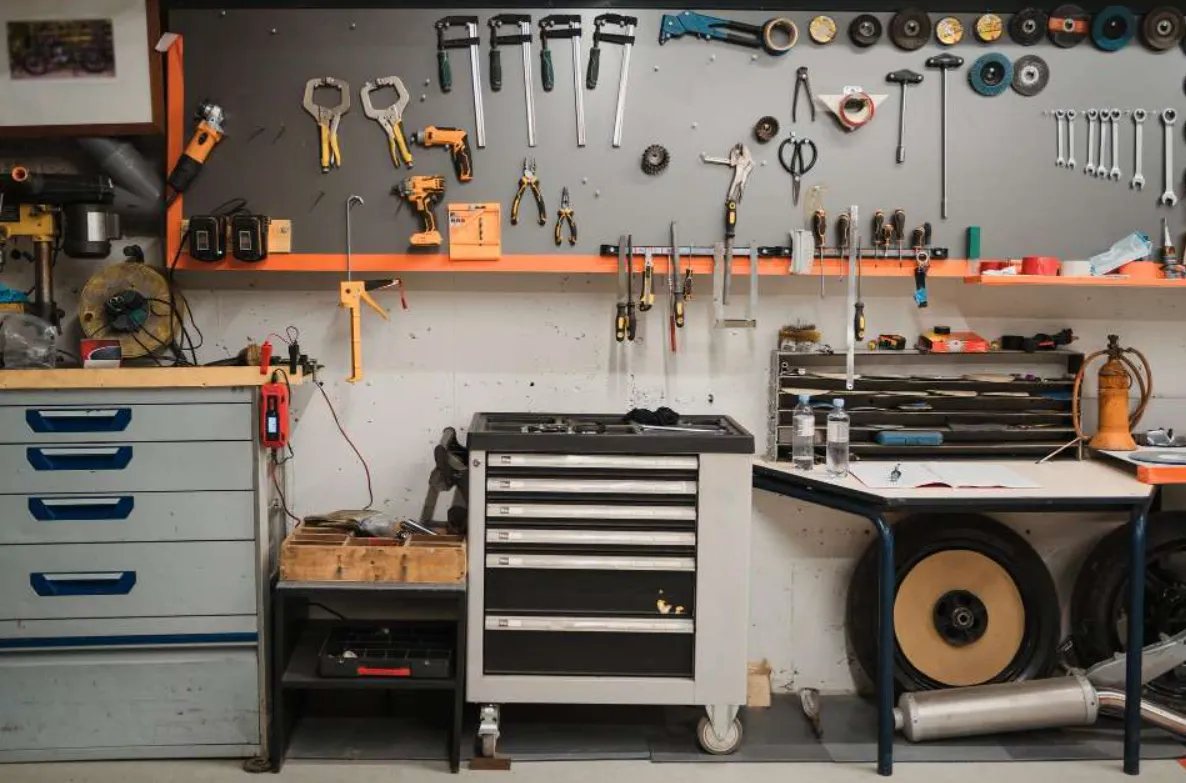
How Workshop Storage Improves Organisation and Safety in Workspaces
A disorganised workshop isn’t just frustrating. It’s dangerous. Tools left on floor space become trip hazards. Chemicals stored without labels become health risks. Materials stacked without support create crush hazards. According to Safe Work Australia, workshop and tradesperson injuries account for over 15,000 serious workplace claims annually, and a significant portion of those incidents involve slips, trips, and falls caused by poor workspace organisation. Investing in proper workshop storage isn’t a comfort upgrade. It’s a practical safety decision with measurable outcomes.
Does Organisation Really Change How Fast You Work?
Yes, and the time savings are larger than most people expect.
A study from Princeton University’s Neuroscience Institute found that physical clutter competes for attention and reduces the brain’s ability to focus. In a workshop setting, this translates directly into wasted time searching for tools, making errors from distraction, and losing workflow momentum.
A tradesperson who spends 10 minutes per day searching for tools or materials loses over 40 hours per year to disorganisation. That’s an entire working week. For a self-employed tradesperson in Australia earning an average of $38 per hour, that’s $1,520 in lost productive time annually, simply from poor storage.
The fix isn’t complicated. A designated location for every tool, clearly accessible, consistently maintained. That’s what proper workshop storage delivers.
What Types of Storage Work Best in a Workshop?
Different tools and materials have different storage requirements.
Wall-mounted shelving handles heavier items well when anchored correctly into studs or masonry. Heavy-duty steel shelving rated for 200 to 400 kilograms per shelf is appropriate for power tools, equipment, and material stock. The key is matching the shelving load rating to what you’re actually storing. Overloading shelving is a primary cause of collapse injuries.
Pegboards work well for hand tools that need to be visually accessible and quickly grabbed. A well-organised pegboard can store 30 to 40 hand tools in a single square metre of wall space. That’s a dramatic density improvement over drawer storage for frequently used items.
Mobile tool carts give you flexibility. They let you bring storage to the work area rather than walking back to a fixed station. For mechanics and fabricators, this is genuinely useful.
Bins and drawer systems suit small items like fasteners, drill bits, and fittings. Labelled clearly, they eliminate the rummaging that happens when small parts share unstructured containers.
How Does Poor Storage Create Safety Hazards?
The mechanisms are specific and worth knowing.
Tools stored on flat surfaces migrate. A wrench left on a workbench edge falls. A falling tool from bench height can cause significant foot or leg injury. Tools stored at floor level create trip hazards, especially in low-light conditions or when carrying materials.
Flammable materials stored near ignition sources are a fire risk. Chemicals stored without secure lids emit vapours that accumulate in enclosed spaces. Sharp tools stored loosely in drawers without guards or protective covers cause cut injuries every time someone reaches in blindly.
Workshop storage that addresses these specific risks, proper heights, secure fastening, chemical-safe containment, and covered sharp tool storage, reduces each of these hazard categories directly.
Is a Small Home Workshop Worth Organising Properly?
More so than a commercial workshop in some ways.
Commercial workshops typically have safety officers, compliance requirements, and regular inspections. Home workshops have none of that. The homeowner is the safety officer, the planner, and the person most likely to be injured.
Home workshops in Australia are subject to the same duty of care obligations if other people work in them. Under the Work Health and Safety Act, any person who directs work has an obligation to provide a safe environment. That includes a home garage where a friend helps you on a weekend project.
Good storage in a home workshop also protects tools from humidity, corrosion, and damage. A $600 power tool stored carelessly on a damp concrete floor will corrode and fail well before its service life. Proper storage protects the tool investment as directly as any insurance policy.
What’s the Right Starting Point for Workshop Organisation?
Start with an audit, not a shopping list.
Walk through the space and categorise everything by frequency of use. Tools used daily belong at hand height and within arm’s reach of the primary work area. Tools used weekly belong on accessible shelving. Tools used occasionally can go into deeper storage.
Then identify your biggest hazards. Clutter on the floor. Unsecured shelving. Unlabelled chemicals. Fix those first. Safety before aesthetics, always.
Build storage around how you actually work, not how you imagine you might work. The best workshop storage system is the one you actually use consistently.