
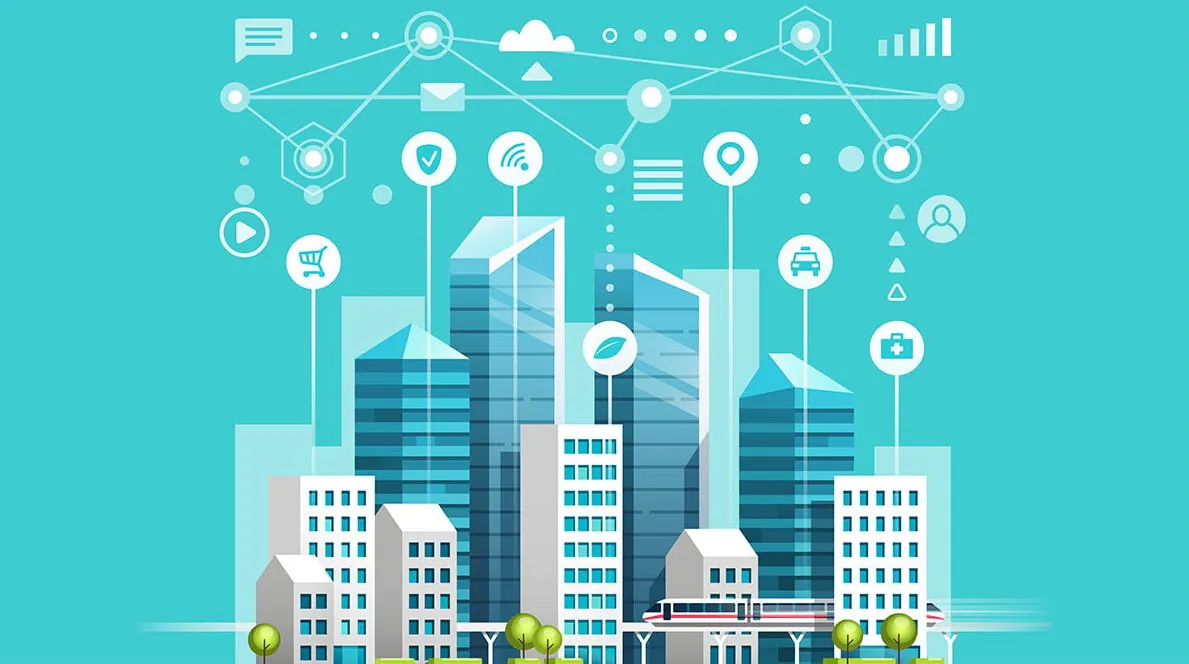
How to Manage Smart City Data with IoT and Edge Computing
Running a growing municipality is no easy task. Traffic jams, spikes in energy use and public safety issues require immediate solutions. This is precisely where a trusted smart city data management solution becomes paramount. It assists local governments in gathering, processing and acting on an enormous amount of information each second.
This guide will teach you how technologies like Internet of Things (IoT) devices and real-time analytics keep urban areas functioning more smoothly. We conduct the heavy lifting research on complicated data sets so you don’t have to.
The Pillars of Smart City Infrastructure
Modern cities rely on three main technologies to keep operations running smoothly.
IoT Integration: Connecting the Urban Fabric
IoT connects everyday objects to the internet. This allows city planners to monitor conditions instantly.
- Sensor networks: Cameras and air quality monitors collect constant data.
- Device communication: Traffic lights talk to public transit systems to keep buses moving.
- Real-world applications: Smart meters track water and power usage to prevent waste.
Edge Computing: Processing at the Source
Instead of sending all information to a distant server, edge computing processes data right where it is collected.
- Reducing latency: Devices process video feeds locally to save bandwidth.
- Real-time decisions: Autonomous systems can instantly detect and report hazards.
- Public safety: Emergency responders receive immediate alerts from local sensors.
Real-time Analytics: Unlocking Urban Insights
Analytics software turns raw data into clear, actionable steps.
- Predictive modeling: Software spots patterns to predict where traffic will build up next.
- Dynamic resource allocation: Cities can route power to specific neighborhoods during extreme weather.
- Urban planning: Planners use this data to decide where to build new parks or train stations.
The Role of Efficient Data Management
City sensors generate petabytes of data. Managing that data requires smart architecture and secure storage.
Centralized vs. Distributed Data Architectures
Cities use a mix of both. Centralized clouds hold long-term historical records. Distributed edge networks handle the fast, daily tasks that need instant reactions.
Data Storage Optimization: The Single Instance Store
Storing huge amounts of city data gets expensive quickly. A single instance store optimizes storage by keeping one master copy of identical files while replacing the others with reference links.
- Reducing redundancy: You save server space and cut cloud storage costs.
- Enhancing data integrity: Finding and updating records becomes much faster.
Security and Privacy in Smart City Data
Protecting citizen data is essential.
- Protecting sensitive information: Cities use strong encryption to lock down video feeds and location data.
- Compliance frameworks: Administrators must strictly follow data privacy laws to maintain public trust.
Case Studies and Success Stories
Many cities are already seeing massive benefits from smart infrastructure. Here is a look at recent performance statistics.
| City | Focus Area | Impact Statistic |
| Barcelona | Traffic Management | A 21% reduction in central traffic congestion using AI-driven smart lights. |
| Singapore | Energy Efficiency | Significant drops in grid waste by deploying automated smart grid technologies. |
| London | Public Safety | A 23% reduction in snatch theft offenses through targeted data tracking. |
Overcoming Implementation Challenges
Building a smart city is rewarding, but it comes with a few hurdles.
- Interoperability issues: Different sensor brands often struggle to share information with each other.
- Scalability concerns: Upgrading legacy systems to handle millions of new IoT devices takes careful planning.
- Stakeholder collaboration: Tech vendors, local government, and citizens must work together to find funding.
The Future of Smart City Data Management
Technology never stops improving. Here is what urban planners can expect next.
AI and Machine Learning Advancements
Machine learning will soon automate routine tasks like adjusting streetlights based on pedestrian foot traffic.
The Evolving Role of Citizens
Residents will use mobile apps to directly report potholes or outages into the main city database.
Sustainable Urban Development
Cities will use environmental data to lower carbon footprints and meet strict climate goals.
Building Smarter, More Responsive Cities
A connected city is cost-effective, crime-free and cuts down on the frustration of commuting. It may feel challenging to upgrade your infrastructure; however, the long-term benefits are unquestionable. We strongly advise urban planners and technologists to start small. By launching a smart traffic initiative or upgrading your data storage systems now, you are sure to reap the benefits instantly.
FAQs
What is IoT integration in smart cities?
It’s the act of connecting real-world objects, such as streetlights and meters, to the internet so they can then share useful data.
How does edge computing benefit urban environments?
It analyzes data locally at the device, speeding up response times and taking pressure off centralized servers.
What is a single instance store, and why is it important for smart city data?
Information is only stored in one place with this method of storage. It saves cities a lot of money by removing duplicate data.
How do smart cities ensure data privacy?
They apply strict encryption, anonymize personal information and operate according to local compliance legislation to protect citizen data.
What are the main challenges in implementing smart city technologies?
The biggest challenges are updating old infrastructure, making sure different devices can communicate and funding the projects.